Industry Reacts to Iranian Cyber Threats Against Critical Infrastructure

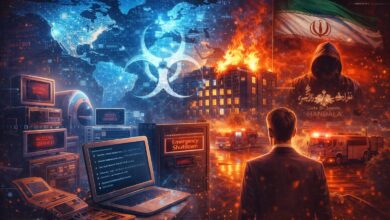
The United States government has issued a stark warning regarding a sophisticated and escalating cyber threat emanating from Iran, targeting the nation’s critical infrastructure. Hackers with alleged ties to the Iranian government have been observed actively manipulating Programmable Logic Controllers (PLCs) and Supervisory Control and Data Acquisition (SCADA) systems. The primary objective of these malicious actors appears to be the disruption of essential services, posing a significant risk to national security and public well-being.
US Government Issues Stern Warning
The advisory from the U.S. government details a pattern of increasingly aggressive cyber activities. These attacks are specifically designed to compromise the industrial control systems (ICS) that underpin many vital sectors, including energy, water, and transportation. By targeting PLCs and SCADA systems, attackers can gain unauthorized access and exert control over physical processes, potentially leading to widespread outages, environmental damage, or other catastrophic events.
While the advisory does not name specific Iranian government agencies or hacking groups, it attributes the activity to actors sponsored or supported by the Iranian regime. This marks a significant escalation in cyber warfare capabilities and intent, moving beyond espionage and data theft to direct physical disruption.
Implications and Industry Response
The revelation has sent ripples through the cybersecurity and critical infrastructure sectors. Experts are emphasizing the urgency of bolstering defenses against these advanced persistent threats (APTs). The interconnected nature of modern infrastructure means that a successful attack on one sector could have cascading effects on others. This highlights the need for a coordinated and robust cybersecurity strategy that spans across all critical industries.
Initial reactions from industry professionals underscore the seriousness of the threat and the need for immediate action. There is a strong consensus on the importance of enhanced threat intelligence sharing between government agencies and private sector entities. Furthermore, there is a growing call for increased investment in cybersecurity technologies and personnel specifically trained to defend industrial control systems. The complexity of ICS environments, which often utilize legacy systems, presents unique challenges that require specialized expertise and tailored security solutions.
The current threat landscape demands a proactive approach. Organizations operating critical infrastructure are being urged to review and enhance their security postures, including implementing stringent access controls, regular vulnerability assessments, and comprehensive incident response plans. The ability to detect and respond rapidly to suspicious activity within ICS networks is paramount to mitigating the impact of such attacks.
The U.S. government’s warning about Iranian-backed hackers targeting critical infrastructure is a significant development that cannot be overstated. The shift from traditional cyber espionage to direct disruption of physical systems represents a dangerous evolution in cyber warfare. The manipulation of PLCs and SCADA systems directly impacts the operational integrity of essential services, raising serious concerns about national security and the safety of citizens. This advisory serves as a critical wake-up call for both public and private sector organizations responsible for managing and securing these vital networks. The industry’s response, characterized by calls for enhanced intelligence sharing and investment in specialized security measures, is appropriate and necessary. However, the challenge lies in the practical implementation of these recommendations, particularly given the unique complexities of industrial control systems. The global cybersecurity community must now prioritize collaborative efforts and the rapid deployment of advanced defensive capabilities to counter this persistent and evolving threat.