Apple Prepares for iOS 27 Unveil: Key Dates and What to Expect at WWDC 2026
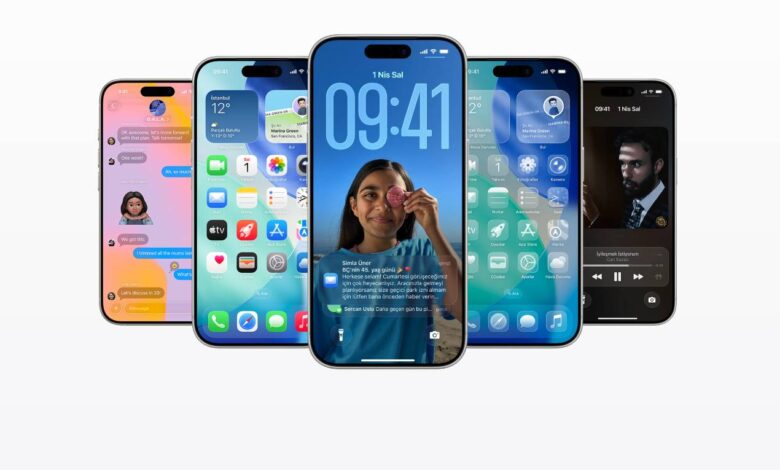
As the iOS 26 lifecycle approaches its final stages with the testing of version 26.5, the focus of the tech industry has shifted toward Apple’s next major milestone: iOS 27. The software, which will define the iPhone experience for the coming year, is expected to make its debut in early June.
The Beta and Release Roadmap
Apple historically utilizes the Worldwide Developers Conference (WWDC) as the launchpad for its operating system updates. Following established patterns, the timeline for iOS 27 is projected as follows:
-
Official Unveil & Developer Beta: Monday, June 8, 2026. The first developer beta is expected to be released immediately following the WWDC keynote.
-
Public Beta: Expected in July 2026. This version typically offers a more stable experience for non-developers.
-
Official Public Launch: Mid-September 2026. Based on previous release cycles, Monday, September 14 is the highly anticipated date for the general rollout, coinciding with the launch of the next-generation iPhone hardware.
Anticipated Features and Device Compatibility
While the full scope of the update remains under wraps until June, early reports suggest a heavy emphasis on Siri enhancements and the next iteration of Apple Intelligence. Users can also expect refined design updates throughout the UI.
Regarding hardware support, industry expectations suggest stability in compatibility. Since Apple narrowed the list of supported devices with the release of iOS 26, it is unlikely that additional iPhone models will be dropped from the support list this year.
The Strategic Pivot to Agentic AI
The move toward iOS 27 represents more than just an incremental update; it marks a critical juncture for Apple’s “Apple Intelligence” ecosystem. While iOS 26 introduced the foundation of on-device generative models, iOS 27 is expected to transition from passive assistance to active agency.
By focusing heavily on Siri upgrades, Apple is likely aiming to bridge the gap between simple voice commands and complex, cross-app task execution. For the industry, this signals a shift where the operating system becomes a predictive layer rather than just a platform for individual applications. From a technical standpoint, the stability in device compatibility suggests that Apple has optimized its Large Language Models (LLMs) to run efficiently on existing NPU (Neural Processing Unit) architectures, prioritizing software ecosystem depth over forced hardware upgrades for this specific cycle.