The Ultimate Master Guide: AI-Powered Video Production for Professionals (2026)
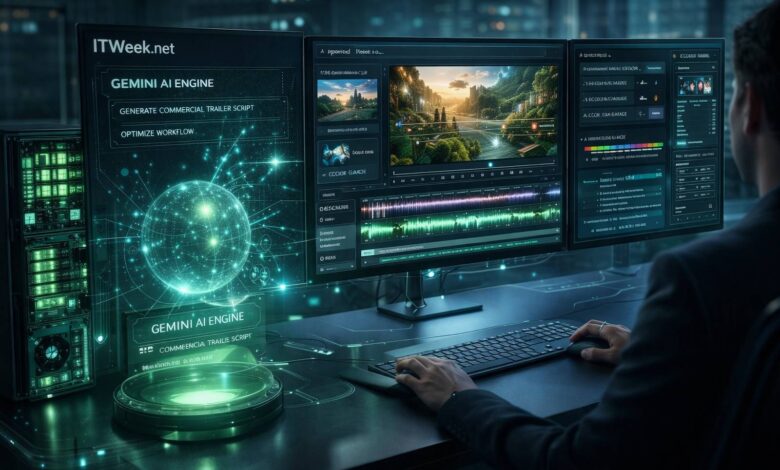
How to Build a High-Efficiency Workflow with Next-Gen Hardware and Generative AI
In 2026, the boundary between “technical expertise” and “creative vision” has blurred. For independent entrepreneurs and small agencies, the challenge is no longer just making a video; it’s about maintaining a global-standard production quality while drastically reducing the time-to-market.
At ITWeek, we’ve analyzed the shift from traditional NLE (Non-Linear Editing) to AI-First Workflows. This master guide covers everything from the silicon powering your desk to the neural networks finalizing your renders.
1. The Silicon Foundation: Optimizing Hardware for Inference
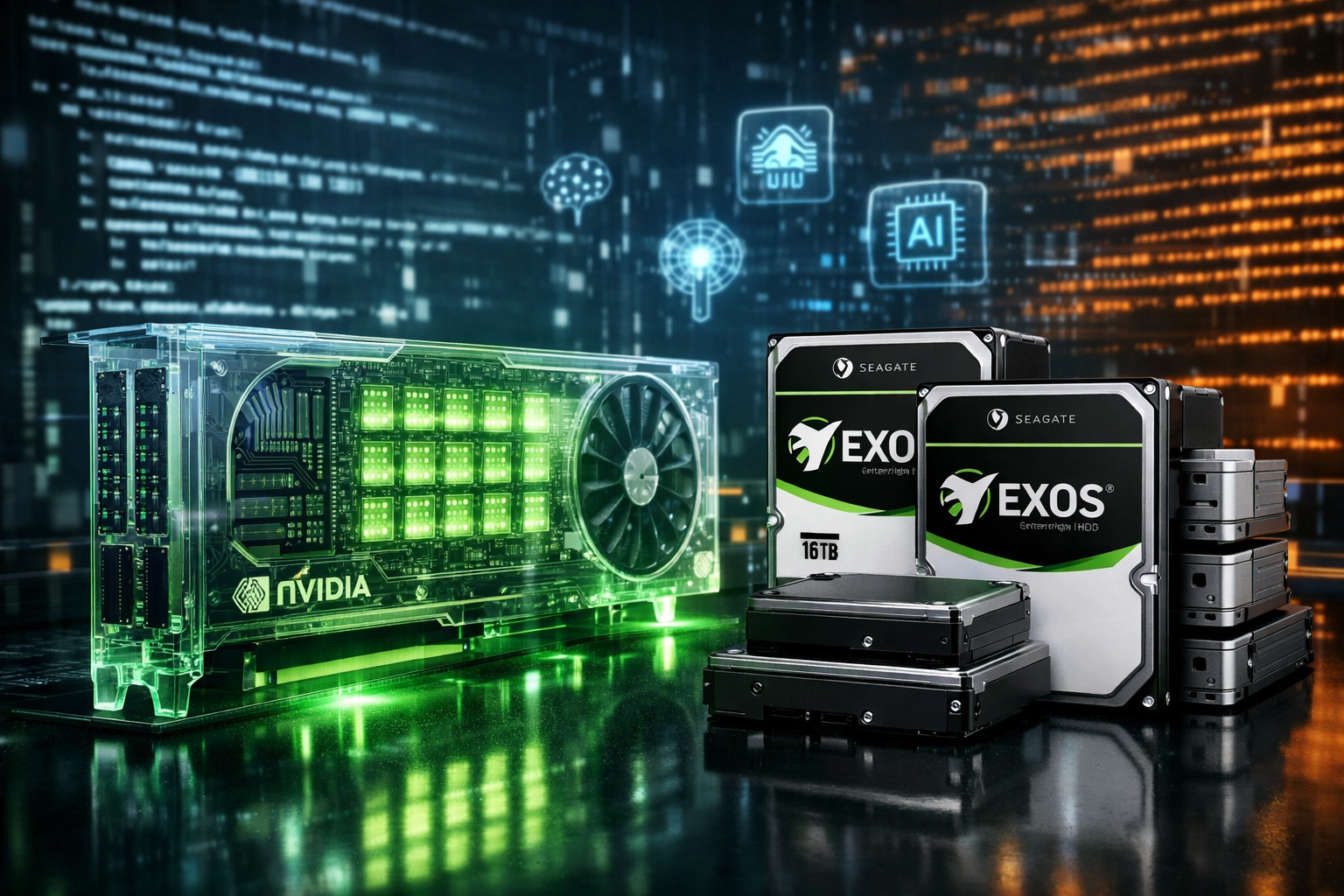
An AI-powered workstation is fundamentally different from a traditional gaming or editing PC. In this ecosystem, the GPU is the heart, but the architecture surrounding it determines your ceiling.
The GPU: VRAM is the New Baseline
For generative video—where models like Stable Video Diffusion or local Sora-based architectures are used—VRAM (Video RAM) is your most precious resource.
-
The 24GB Threshold: To work with 4K neural upscaling or multi-layered generative backgrounds, a 24GB VRAM card (e.g., NVIDIA RTX 4090/5090 series) is non-negotiable.
-
Tensor Cores: Ensure your hardware supports the latest FP8 precision training. This allows for faster inference times during “rotoscoping” and “object removal” tasks in post-production.
Storage Hierarchy: The ITWeek Three-Tier Strategy
AI generates massive amounts of data through iterations. A single 10-second clip might require 50 “seed” generations. You need a structured storage plan:
| Tier | Component Example | Purpose |
| Tier 1 (Hot) | Gen5 NVMe SSD | Active cache and AI model weights. |
| Tier 2 (Warm) | 4TB – 8TB SATA SSD | Asset libraries and LoRA training files. |
| Tier 3 (Cold) | Seagate Exos 20TB+ | Long-term archiving of raw 8K footage and AI data sets. |
2. Pre-Production: Engineering the Creative Logic
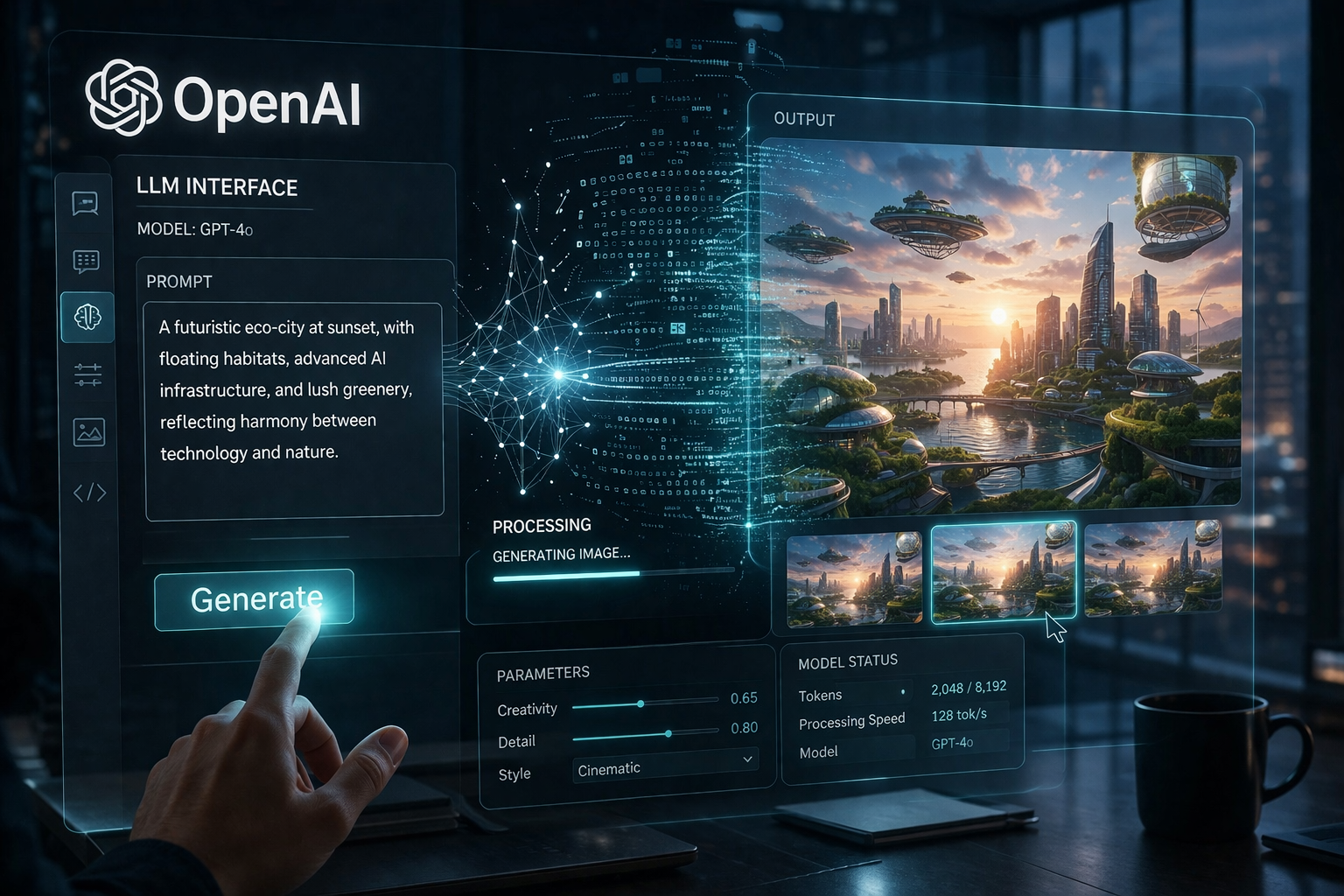
Before opening your timeline, AI acts as your lead strategist. The goal here is Multimodal Scripting.
From Context to Prompt
Using advanced LLMs (like Gemini 1.5 Pro), you can ingest a 50-page technical whitepaper and output a structured video strategy:
-
Semantic Chunking: Breaking complex topics into 30-second “digestible” segments.
-
Visual Prompt Generation: Automatically creating descriptions for AI image generators to create consistent B-roll.
-
Tone Alignment: Feeding your brand’s previous 10 articles to ensure the script maintains a “Human-in-the-loop” feel, avoiding the generic AI “robotic” voice.
3. Post-Production: The Neural Editing Suite
This is where the most significant time-savings occur. Traditional tasks that took days now take minutes.
Generative Fill & Temporal Consistency
The 2026 workflow relies on Temporal Consistency. Tools using ControlNet allow you to keep a character’s face or a product’s design 100% consistent across different AI-generated environments.
-
Zero-Shot Translation: For ITWeek’s global audience, we utilize neural translation. It’s no longer just subtitles; it’s context-aware localization that understands technical jargon like “multi-agent systems” or “VRAM latency” in 50+ languages.
-
Neural Lip-Sync: High-end AI now syncs the speaker’s lip movements to the translated audio, making localized content feel native to every region.
4. The Business Case: Scalability for Entrepreneurs
Why does this matter for a small business or an individual entrepreneur?
-
Cost Efficiency: A single producer can now handle tasks that previously required a scriptwriter, an editor, and a localization specialist.
-
Quality Parity: AI levels the playing field, allowing a small publication like ITWeek to produce visual content that rivals major tech networks with 10x the budget.
-
ROI: By automating the “technical drudgery” (noise reduction, color matching, transcription), you spend 90% of your time on storytelling and 10% on execution.
Conclusion: The Future is Hybrid
AI is not replacing the creator; it is liberating the creator from the “render-bar” prison. At ITWeek.net, we believe the most successful professionals in 2026 will be those who master the Hybrid Workflow: Human intuition leading the way, with AI silicon doing the heavy lifting.
ITWeek Checklist for 2026 Readiness:
-
Upgrade to 24GB VRAM to handle local generative models.
-
Implement a Three-Tier Storage system for massive AI iteration data.
-
Master Prompt Engineering for visual consistency.
-
Localize Early: Use neural lip-sync to reach global markets from day one.