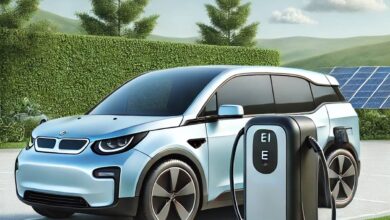
Advantages and Availability of Hydrogen Cars Near You

Are you ready to unlock the future of transportation? Get ready to explore the advantages and availability of hydrogen cars near you. Hydrogen fuel cell vehicles are paving the way for a greener and more sustainable future. With zero emissions and longer driving ranges, these vehicles are rapidly gaining popularity and attention.
Imagine filling up your car with hydrogen instead of gasoline, knowing that your daily commute is not contributing to air pollution or climate change. Hydrogen cars offer an eco-friendly alternative that reduces our dependence on fossil fuels and minimizes harm to the environment.
But are hydrogen cars accessible to everyone? The answer might surprise you. This article will delve into the growing availability of hydrogen cars, from dealerships to fueling stations, making it easier than ever to embrace this clean energy technology.
Join us as we uncover the advantages and practicality of hydrogen cars, dispel common myths, and guide you on your journey to a more sustainable and fuel-efficient future. Get ready to unlock the potential of hydrogen cars near you and drive towards a cleaner tomorrow.
Availability of Hydrogen Cars Near You
Hydrogen cars offer several advantages that make them a compelling choice for environmentally conscious individuals. Firstly, these vehicles produce zero emissions, which means they do not release any harmful pollutants into the atmosphere. This not only improves air quality but also helps combat climate change.
Secondly, hydrogen cars have longer driving ranges compared to electric vehicles. While EVs have made significant strides in recent years, hydrogen fuel cell vehicles can travel significantly farther on a single tank. This makes them more suitable for long-distance travel and reduces the fear of running out of power during a road trip.
Additionally, hydrogen fueling stations are relatively quick to refill, similar to conventional gasoline stations. Unlike electric vehicles, which require hours to recharge, hydrogen cars can be refueled in a matter of minutes, providing a more convenient option for drivers.
The advantages of hydrogen cars extend beyond environmental and practical considerations. These vehicles also offer a smooth and quiet driving experience, thanks to the absence of a traditional combustion engine. The power generated by fuel cells is smooth and consistent, giving drivers a comfortable and enjoyable ride.

Availability of hydrogen cars
While hydrogen cars may still be considered a niche market, their availability is steadily increasing. Several major automakers have introduced hydrogen fuel cell vehicles to their lineup, giving consumers more options to choose from. Brands such as Toyota, Honda, Hyundai, and Mercedes-Benz have all released hydrogen car models, showcasing the industry’s commitment to this technology.
In addition to automobile manufacturers, dealerships are also starting to embrace the hydrogen revolution. Many dealerships now offer hydrogen cars as part of their inventory, making it easier for interested buyers to explore and test-drive these vehicles. This growing availability ensures that consumers have access to a wider range of options and can make informed decisions about their next car purchase.
Fueling infrastructure is another crucial aspect of hydrogen car availability. Without a reliable network of hydrogen fueling stations, owning a hydrogen car would be impractical. Fortunately, governments and private companies are investing in the development of hydrogen fueling infrastructure. Fueling stations are being established in strategic locations, making it more convenient for hydrogen car owners to refuel their vehicles. This continuous expansion of the hydrogen fueling network is a positive sign for the future of hydrogen cars.
Environmental benefits of hydrogen cars
One of the most significant advantages of hydrogen cars is their positive impact on the environment. As mentioned earlier, these vehicles produce zero emissions, which means they do not contribute to air pollution. Traditional gasoline-powered cars emit a wide range of pollutants, including carbon dioxide, nitrogen oxides, and particulate matter. By switching to hydrogen cars, we can significantly reduce the harmful effects of transportation on our planet.
Furthermore, hydrogen is a clean and renewable energy source. It can be produced from a variety of sources, including water, natural gas, and renewable energy. When hydrogen is produced using renewable energy, such as solar or wind power, its environmental benefits are further enhanced. This makes hydrogen cars an integral part of a sustainable energy system and helps accelerate the transition to a low-carbon future.
Another environmental benefit of hydrogen cars is the potential for a circular economy. As hydrogen is produced and consumed, it can be recycled and reused, minimizing waste and maximizing resource efficiency. This closed-loop system ensures that hydrogen remains a sustainable and environmentally friendly option for transportation.
Infrastructure for hydrogen cars
For hydrogen cars to become more widespread, the development of infrastructure is essential. As mentioned earlier, the availability of hydrogen fueling stations is crucial to the success of hydrogen cars. Governments and private companies are recognizing this need and investing in the establishment of a reliable and extensive network of fueling stations.
In addition to fueling infrastructure, the production and transportation of hydrogen also require careful planning. Hydrogen can be produced through various methods, including steam methane reforming and electrolysis. Each method has its advantages and considerations, and determining the most efficient and sustainable production method is crucial.
Transporting hydrogen from production facilities to fueling stations also requires careful logistics. Hydrogen can be transported via pipelines or in compressed or liquid form. The choice of transportation method depends on factors such as distance, cost, and safety considerations. To ensure the availability of hydrogen cars, a robust and efficient hydrogen supply chain must be established.
Cost considerations for hydrogen cars
The cost of hydrogen cars is a significant consideration for potential buyers. Currently, hydrogen cars tend to be more expensive than their gasoline or electric counterparts. This is primarily due to the relatively low production volume of hydrogen cars, which results in higher manufacturing costs. However, as the technology matures and production volumes increase, the cost of hydrogen cars is expected to decrease.
It is also important to consider the total cost of ownership when evaluating the affordability of hydrogen cars. While the upfront cost may be higher, hydrogen cars offer potential savings in terms of fuel costs. Hydrogen fuel prices vary depending on the region and availability, but they are generally comparable to gasoline prices. Additionally, hydrogen cars require less maintenance compared to traditional combustion engine vehicles, further reducing long-term costs.
Government incentives and subsidies can also make hydrogen cars more affordable. Many countries and regions offer financial incentives to promote the adoption of clean energy vehicles, including hydrogen cars. These incentives can include tax credits, grants, and subsidies that significantly reduce the purchase price of hydrogen cars. By taking advantage of these incentives, consumers can make hydrogen cars a more cost-effective choice.
Hydrogen car models and brands
As hydrogen cars gain popularity, an increasing number of models and brands are entering the market. One of the pioneers in hydrogen fuel cell technology is Toyota, with their Mirai model leading the way. The Mirai offers a sleek design, impressive driving range, and advanced features, showcasing Toyota’s commitment to sustainable transportation.
Honda is another major player in the hydrogen car market, with their Clarity Fuel Cell model. The Clarity Fuel Cell boasts a spacious interior, cutting-edge technology, and a comfortable ride. Honda has also made significant advancements in hydrogen fuel cell technology, making their vehicles highly efficient and reliable.
Hyundai is known for its commitment to clean energy vehicles, and their Nexo model is a testament to this. The Nexo offers exceptional driving range, advanced safety features, and a luxurious interior. Hyundai’s dedication to hydrogen fuel cell technology has earned them recognition as a leader in sustainable transportation.
Mercedes-Benz is also making strides in the hydrogen car market with their GLC F-CELL model. The GLC F-CELL combines hydrogen fuel cell technology with plug-in hybrid capabilities, offering drivers the best of both worlds. Mercedes-Benz’s expertise in luxury vehicles is evident in the GLC F-CELL, making it a compelling choice for those seeking a premium hydrogen car experience.
These are just a few examples of the hydrogen car models and brands available in the market today. With each passing year, more automakers are expected to introduce hydrogen fuel cell vehicles, giving consumers a wider range of options to choose from.
Government incentives for hydrogen cars
To further promote the adoption of hydrogen cars, governments around the world are offering various incentives and subsidies. These incentives aim to reduce the financial barriers associated with purchasing a hydrogen car and make them more accessible to the general public.
In the United States, for example, the federal government offers a tax credit of up to $8,000 for the purchase of a hydrogen fuel cell vehicle. This tax credit, combined with state-level incentives, can significantly reduce the cost of owning a hydrogen car. Additionally, several states provide additional benefits, such as access to high-occupancy vehicle lanes, free parking, and reduced registration fees for hydrogen car owners.
Countries like Germany, Japan, and South Korea also provide generous incentives for hydrogen car buyers. These incentives can include purchase subsidies, tax breaks, and discounted toll fees. By offering these incentives, governments are encouraging consumers to embrace hydrogen cars and contribute to a greener and more sustainable future.
Challenges and future prospects of hydrogen cars
While hydrogen cars offer numerous advantages, they also face several challenges that need to be addressed for widespread adoption. One of the main challenges is the limited availability of hydrogen fueling stations. Until a comprehensive network of fueling stations is established, potential buyers may hesitate to invest in hydrogen cars due to concerns about refueling convenience.
The cost of hydrogen production is another challenge that needs to be overcome. Currently, the production of hydrogen is energy-intensive and can be relatively expensive compared to other energy sources. However, ongoing research and technological advancements are expected to drive down the cost of hydrogen production, making it more affordable in the future.
Another challenge is the storage and transportation of hydrogen. Hydrogen is a highly flammable gas and requires careful handling and storage. Innovations in storage technologies, such as solid-state hydrogen storage, are being developed to improve safety and efficiency. These advancements will further enhance the viability of hydrogen cars as a mainstream transportation option.
Looking ahead, the future prospects for hydrogen cars are promising. As governments and industries invest in the necessary infrastructure and technology, the availability and affordability of hydrogen cars will continue to improve. Advancements in fuel cell technology, hydrogen production, and storage will make hydrogen cars more efficient and practical for everyday use. With ongoing efforts to decarbonize transportation, hydrogen cars are poised to play a significant role in achieving a sustainable and emission-free future.
Hydrogen cars offer a greener and more sustainable alternative to traditional gasoline-powered vehicles. With zero emissions, longer driving ranges, and a growing availability, hydrogen cars are becoming increasingly attractive to environmentally conscious individuals. The advantages of hydrogen cars, including environmental benefits and practicality, make them a compelling choice for those looking to embrace clean energy transportation.
While hydrogen cars still face challenges, such as limited fueling infrastructure and higher upfront costs, ongoing advancements and government incentives are driving the industry forward. As hydrogen cars become more accessible and affordable, they have the potential to revolutionize the way we commute and contribute to a cleaner and healthier planet.
So, are you ready to unlock the future of transportation? Explore the advantages and availability of hydrogen cars near you and join the movement towards a more sustainable and fuel-efficient tomorrow. Let’s drive towards a cleaner future together.
You may also interested in: “The Future of Hydrogen Cars: A Revolution in Automotive Technology“